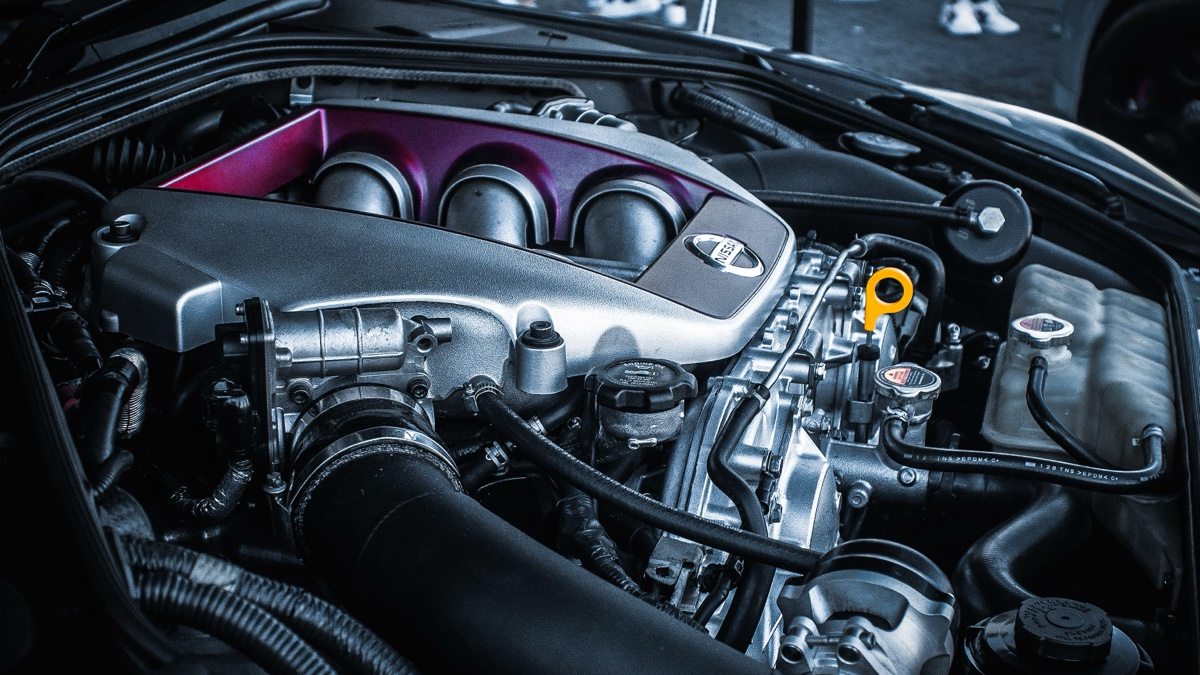
Automotive seal materials and industrial seals are built for volume, so cost per part matters as much as performance. Even so, these seals face a wide mix of conditions, including engine oils, fuels, coolants, weather, and high-pressure hydraulics. Fortunately, a handful of proven materials covers most of these needs. This article explains which compounds fit oil, fuel, coolant, and hydraulic systems. It also covers how seal profile choices improve performance in dynamic service. For a broader look at seal materials, see our Complete Guide to Elastomer Seal Materials.
Automotive and Industrial Seal Materials
Automotive and general industrial seals are high-volume parts. As a result, cost per seal matters as much as performance. Industrial equipment also faces a little of everything: oils, coolants, weather, pressure, and wear. Fortunately, a few proven O-ring materials cover most applications. Marco’s industrial seals page covers the full range, including custom molding.
Best Seal Materials for Engine Oil, Fuel, and Hydraulic Systems
Buna-N (NBR) is the low-cost default for petroleum oils, greases, and hydraulic fluids. For example, Marco B1000 is a 70-durometer, general-purpose nitrile rated -30°F to 250°F. When cold starts matter, B1083 extends the range to -65°F to 275°F.
For hotter oils, abrasion, or longer service life, step up to HNBR. HNBR adds heat and ozone resistance over standard nitrile. For high-pressure hydraulics, Marco R1000 is a 70-durometer HNBR.
Meanwhile, fuel systems and high-heat under-hood parts call for Viton® FKM. Marco V1000 is a 75-durometer, general-purpose FKM rated -15°F to 400°F. It resists fuels, oils, and most acids.
Seal Materials for Coolant, Brake Fluid, and Outdoor Exposure
Not every automotive fluid is petroleum-based. Glycol coolants, brake fluid, and steam need a different polymer. In these cases, EPDM is the standard choice. For instance, Marco E1000 is rated to 300°F. EPDM also resists ozone and weathering, so it suits outdoor equipment. However, keep EPDM away from petroleum oils and fuels, since it swells badly.
For HVAC and refrigeration systems, neoprene is a common choice. It handles refrigerants and ammonia at moderate temperatures.
Wear- and Extrusion-Resistant Seals for Hydraulic Cylinders and Heavy Equipment
Hydraulic cylinders in industrial and mobile equipment see pressure spikes, side loads, and contamination. As a result, abrasion and extrusion are the main failure modes.
Polyurethane offers the best abrasion and extrusion resistance at moderate temperatures. For example, Marco P1000 is highly abrasion resistant. However, polyurethane dislikes hot water and high heat. PTFE spring-energized seals provide the highest sealing performance in the harshest industrial environments. In either case, add backup rings above about 1,500 psi or with large clearance gaps.
Choosing the Right Seal Profile for Dynamic Service
Material is only part of the answer in moving applications. The seal profile matters too. For instance, X-rings and Quad-Ring® seals reduce spiral twist and friction in reciprocating service. Similarly, rotary shaft oil seals solve rotating-shaft problems that O-rings cannot. For electronics enclosures, conductive EMI shielding O-rings add RFI protection. Finally, when a standard part will not fit, Marco offers custom molding, often with no tooling fees.
Elastomer Materials by Industry and Application
Visit our Complete Guide to Elastomer Seal Materials to consult our quick reference tables for typical temperature ranges and elastomer seal materials by application. Read on to find application-specific recommendations for other industries.
- Elastomer Seal Materials for Medical Device & Pharmaceutical Processing
- Food and Beverage: O-Ring Materials Approved for Direct Food Contact
- Plasma-Resistant Seals and Elastomer Seal Materials for Semiconductor Fabs
- Elastomer Seal Materials for Oil & Gas: Subsea, Sour Gas, and Refinery Service
- Chemical-Resistant Seals for Aggressive Solvents in Chemical Processing
- Aerospace & Defense: MIL-SPEC O-Ring Materials for Fuel, Hydraulics, and Cold

—
Related Reading
Standard O-Ring Size Charts
O-Ring Groove Design Guides
Custom Sealing Solutions – From Prototype to Production
Engineered Sealing Solutions: Your Questions About Custom O-Rings, Compounds & Assemblies, Answered